
Shaivism
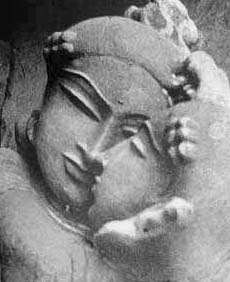 The worship of the Divinity Shiva as the “Highest Lord” is known in Sanskrit-based cultures as Shaivism. Shaivism became popular in the last few years amongst Orientologists (Indologists and Buddhologists). The Shaiva texts happen to exhibit a rich expanse of spiritual knowledge that Orientologists utilize to try to explain the unknowns in Tantricism and Buddhism. Jan Gonda was the pioneer Orientologist to approach the Shaiva exegetes in India and incorporate the knowledge attained from them with that of the academics.
There are several traditions of Shaivism. Uttara Shaivism is today popularly known as Kashmiri Shaivism. In practice it is extant in Nepal, as well as other parts of India. In the early nineteenth century, the government of India formed an institution to research these Shaiva traditions known as the “Kashmiri Society of Texts and Study.” In a sense, it is from this event that the term “Kashmiri Shaivism” emerged. One reason for this is that the texts themselves employ the term “Kashmiri Shaivism.”
 Apart from being a curative science, Ayurveda teaches us preventive culture and the details of the organic self. This is the closest medical science to that of the ancient Greeks that is vogue. Ayurveda is also akin to the Chinese and Japanese medical systems.
